
Navigating Your Mid-life Awakening
Supporting Women Through Perimenopause, Menopause, and Beyond
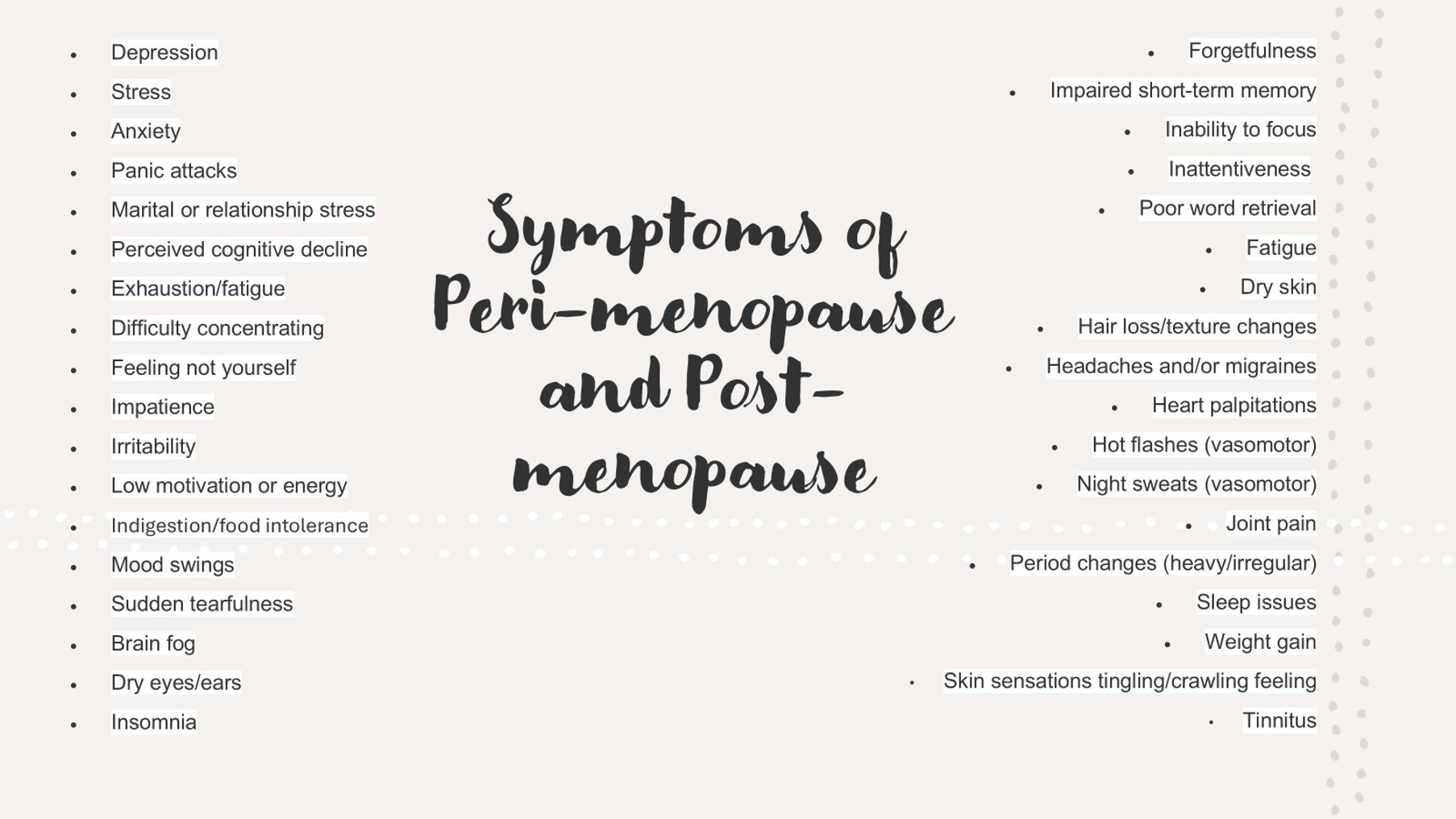
Perimenopause and menopause are significant, often challenging, life transitions for women. While hot flashes might be the most commonly discussed symptom, these phases involve profound emotional, mental, and physical shifts that extend far beyond a rise in body temperature. (See the list of possible symptoms below— this is not exhaustive-every woman has unique experiences). What many women don't realize is that these symptoms can begin much earlier than expected, sometimes as early as your 30s. Additionally, some women may find themselves dealing with early on-set perimenopause or menopause due to genetics, or medical reasons.
The Unseen Impact: Hormones and Mental Well-being
The fluctuating hormones, primarily estrogen and progesterone, can profoundly affect mood, energy, sleep, and cognitive function. It's not uncommon for women to experience a range of mental and emotional symptoms, including anxiety, irritability, depression, brain fog, and unpredictable mood swings.
Research confirms that hormonal changes during perimenopause and menopause can significantly impact a woman's mental health, leading to increased experiences of mood swings, anxiety, and depressive episodes (UF Medical Physiology Online, "How Hormonal Changes Affect Women's Mental Health," ongoing resource). Additionally, these changes can exacerbate existing mental health symptoms. Recent findings are increasingly showing that many women experience moderate to severe menopause-related symptoms, particularly psychological ones, in their 30s and early 40s, challenging previous assumptions about onset (Based on UVA Health and Flo women's health app research, February 25, 2025).
How Clinical Therapy Provides Essential Support
Supportive therapy offers a lifeline during this transformative period. Women often find themselves feeling dismissed by providers and family members and questioning their sanity. I remember as I was nearing the end of perimenopause I was struggling with the fear of “Is this the new normal?” Supportive therapy can provide a safe space to:
Develop coping strategies for mood fluctuations and anxiety.
Process identity shifts and feelings of grief, such as the loss of fertility or changing roles within family and society.
Improve communication with partners and family, fostering understanding and support.
Cultivate self-compassion and resilience, essential tools for navigating the ups and downs of this transition.
Reiki: Harmonizing Your Body's Energy Through Transition
Reiki, as a gentle, non-invasive energetic modality, can address both the physical discomforts and emotional or energetic imbalances that arise during menopause. It works by promoting deep relaxation, which can significantly reduce stress-induced symptoms. While not a cure for conditions like hot flashes, the relaxation achieved through Reiki may help alleviate some physical symptoms and improve sleep quality.
Recent research on Reiki for women's health, including studies on menopausal women, suggests that Reiki can improve sleep quality, reduce the time to fall asleep, and stabilize sleep patterns—all critical for navigating this transition. The presence of ongoing research (Effect of Reiki Application on Menopausal Symptoms , Science Direct, 2025), further underscores the growing scientific interest in its potential benefits. By balancing your energy, Reiki helps promote a sense of inner calm and acceptance during this natural life phase.
An Integrated Approach: A Holistic Embrace
By combining clinical therapy and energetic support, I offer a comprehensive alternative for women navigating the sacred journey to your self. This integrated approach simultaneously addresses the mental, emotional, physical, and energetic aspects of this transition. My goal is to empower you to embrace this natural phase of life with greater ease and acceptance.
Reclaim Your Vitality & Well-being
I invite you to view this transition not as an ending, but as an opportunity for profound growth and self-discovery. This is not a mid-life crisis, but rather— a mid-life awakening. Many women find this life phase to be a time when feelings, emotions and events we believed we had long since processed and “put to bed,” begin to enter into our lives again with unfinished business we were not aware of in our conscious mind. The “busy-ness” and distractions of our 20s and 30s kept these matters well below the surface. Perimenopause and menopause are times when our minds and bodies say “Enough! The time to put ourselves first has arrived.” The good news is that you don’t have to navigate this time alone.